
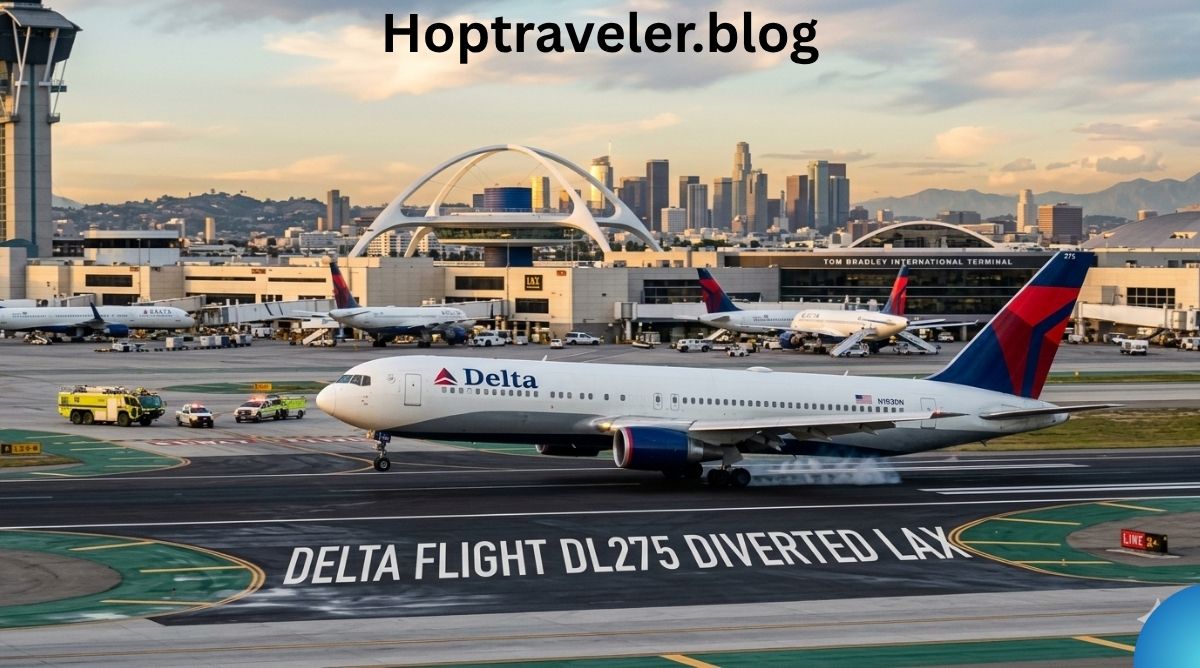
Delta Flight DL275 diverted to Los Angeles International Airport (LAX) is an aviation event that highlights how airlines prioritize passenger safety and operational efficiency when unexpected situations arise during a flight. Flight diversions, while uncommon, are a normal part of airline operations and occur for a variety of reasons including technical issues, medical emergencies, weather conditions, or air traffic control requirements. Understanding what happened with Delta Flight DL275 and how such diversions are handled provides valuable insight into the complexity and professionalism of modern air travel.
overview of flight dl275
Delta Flight DL275 is typically a long-haul international flight operated by Delta Air Lines. Long-haul flights involve extended travel durations, complex routing, and coordination between multiple air traffic control regions. These flights are equipped with advanced aircraft, experienced crews, and systems designed to handle a wide range of in-flight situations.
When a flight like DL275 is diverted, it means the aircraft could not continue to its originally planned destination and instead landed at an alternate airport, in this case Los Angeles International Airport. Diversions are carefully planned decisions made by pilots in coordination with airline operations centers and air traffic controllers.
reasons for flight diversion
Flight diversions can happen for several reasons, and each situation is evaluated based on safety, urgency, and operational feasibility.
technical issues
One of the most common reasons for diversion is a technical problem with the aircraft. This does not necessarily mean a dangerous situation but could include minor mechanical issues that require inspection before continuing the journey. Aircraft systems are designed with multiple redundancies, so even small irregularities are taken seriously to ensure safety.
medical emergencies
Medical emergencies involving passengers or crew members can also lead to a diversion. If someone on board requires immediate medical attention that cannot be provided in the air, the pilots may decide to land at the nearest suitable airport. Airports like LAX are well-equipped with medical facilities and emergency response teams, making them ideal diversion points.
weather conditions
Weather plays a major role in aviation. Severe storms, turbulence, or poor visibility at the destination airport can force a flight to divert. Pilots constantly monitor weather conditions and may choose a safer route or alternate airport to avoid risk.
air traffic and operational issues
Air traffic congestion, runway closures, or restrictions at the destination airport can also lead to diversions. In some cases, operational factors such as fuel considerations or crew duty limits may influence the decision.
why los angeles international airport is used
Los Angeles International Airport is one of the busiest and most capable airports in the world, making it a common choice for diverted flights. Its long runways, advanced navigation systems, and extensive ground support services allow it to handle a wide range of aircraft, including large international jets.
Additionally, LAX has access to maintenance facilities, passenger services, and logistics support, which are essential when dealing with diverted flights. The airport’s infrastructure ensures that passengers and crew can be accommodated efficiently while any issues are resolved.
what happens during a diversion
When a diversion decision is made, a series of coordinated actions take place to ensure safety and minimize disruption.
communication with passengers
The flight crew informs passengers about the situation, explaining the reason for the diversion and providing updates as more information becomes available. Clear communication helps reduce anxiety and keeps passengers informed.
coordination with air traffic control
Pilots work closely with air traffic control to determine the safest and most efficient route to the alternate airport. This includes adjusting altitude, speed, and flight path to ensure a smooth landing.
preparation for landing
The crew prepares the aircraft for landing, following standard procedures. Passengers are instructed to fasten seatbelts and follow safety guidelines. Ground teams at the diversion airport are also notified to prepare for arrival.
ground handling and support
Once the aircraft lands, ground crews handle refueling, maintenance checks, and passenger services. Depending on the reason for the diversion, passengers may remain on board, transfer to another flight, or receive accommodations.
passenger experience during diversion
For passengers, a diversion can be an unexpected and sometimes stressful experience. However, airlines aim to make the process as smooth as possible.
Passengers may experience delays, missed connections, or changes to their travel plans. Airlines typically provide assistance such as rebooking flights, offering meals or accommodations, and ensuring passengers reach their final destination.
In many cases, the professionalism of the crew and the efficiency of airport staff help minimize inconvenience and maintain a positive travel experience despite the disruption.
safety measures in aviation
The diversion of Delta Flight DL275 demonstrates the strong emphasis on safety in aviation. Airlines operate under strict regulations and follow detailed procedures to handle any irregular situation.
Aircraft are equipped with advanced monitoring systems that alert pilots to potential issues. Crews undergo extensive training to manage emergencies, make critical decisions, and ensure passenger safety.
The decision to divert is never taken lightly but is always made with safety as the top priority. Even minor concerns are addressed proactively to prevent larger issues.
impact on airline operations
Flight diversions can have a ripple effect on airline operations. Delays, rescheduling, and logistical adjustments are required to accommodate affected passengers and aircraft.
Airlines must coordinate with multiple departments, including operations control, maintenance, customer service, and airport authorities. Despite these challenges, modern airlines are equipped with systems and processes to handle disruptions efficiently.
lessons from flight dl275 diversion
The diversion of Delta Flight DL275 highlights several important aspects of air travel.
First, it reinforces the importance of safety and the willingness of airlines to take precautionary measures. Second, it demonstrates the complexity of airline operations and the coordination required to manage unexpected situations.
Finally, it shows the resilience of the aviation system, where trained professionals, advanced technology, and established procedures work together to ensure safe outcomes.
how passengers can prepare for such situations
While diversions are unpredictable, passengers can take steps to be better prepared.
Carrying essential items such as medications, snacks, and important documents in carry-on luggage ensures accessibility during delays. Staying informed through airline updates and maintaining flexibility in travel plans can also reduce stress.
Travel insurance may provide additional support in case of disruptions, covering expenses such as accommodations or rebooking fees.
conclusion
Delta Flight DL275 diverted to Los Angeles International Airport is an example of how airlines handle unexpected situations with professionalism and a strong commitment to safety. Flight diversions are a standard part of aviation operations, designed to protect passengers, crew, and aircraft.
By understanding the reasons behind diversions, the processes involved, and the measures taken to ensure safety, passengers can gain confidence in the reliability of modern air travel. Despite temporary inconvenience, diversions ultimately reflect the industry’s dedication to maintaining the highest standards of safety and operational excellence.
Tags: delta flight dl275 diverted lax