
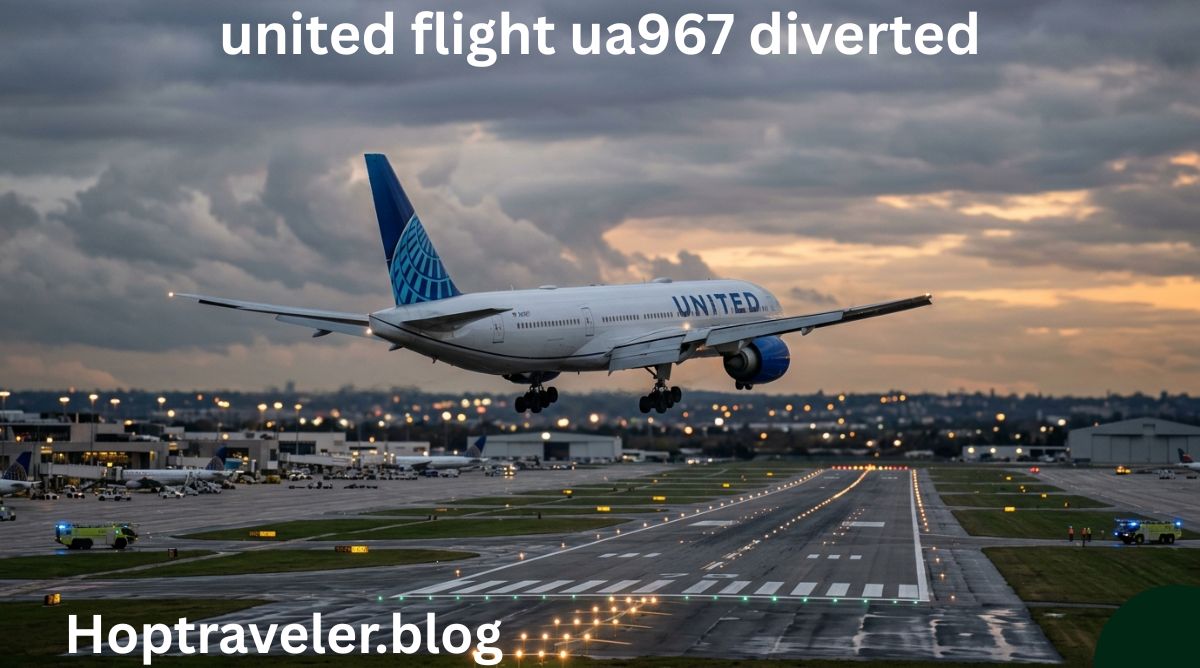
United Flight UA967 diverted is an aviation incident that reflects how airlines respond to unexpected situations while maintaining safety as the highest priority. Flight diversions are a standard part of airline operations, even though they may seem unusual to passengers. When a flight like UA967 is diverted, it means the aircraft has landed at an alternate airport instead of its originally scheduled destination. This decision is made after careful evaluation by the flight crew in coordination with airline operations and air traffic control authorities. Understanding the circumstances, procedures, and implications of such a diversion helps explain why these events occur and how they are managed effectively.
overview of united flight ua967
United Flight UA967 is typically a long-haul international route operated by United Airlines. Long-haul flights involve extended travel durations across multiple airspaces, requiring precise planning, fuel management, and coordination with different aviation authorities. Aircraft used for such flights are equipped with advanced navigation systems, communication tools, and safety mechanisms that allow them to handle a wide range of in-flight scenarios.
When a diversion occurs on a flight like UA967, it is not an indication of failure but rather a proactive measure taken to ensure the safety and well-being of passengers and crew. The decision to divert is based on real-time information and is made with the goal of minimizing risk while maintaining operational control.
common reasons for flight diversion
Flight diversions can occur due to a variety of reasons, each requiring immediate assessment and response by the flight crew.
technical considerations
Aircraft systems are highly sophisticated, but even minor irregularities can prompt a diversion. These issues may include sensor warnings, system malfunctions, or maintenance concerns that need to be addressed before continuing the journey. Pilots are trained to treat any unusual indication seriously, ensuring that even small problems are resolved promptly.
medical emergencies on board
A medical emergency involving a passenger or crew member is one of the most urgent reasons for a diversion. If someone requires immediate medical attention that cannot be adequately provided during the flight, the aircraft may land at the nearest suitable airport. This ensures timely access to professional medical care and reduces potential risks.
weather-related factors
Weather conditions play a significant role in aviation safety. Severe turbulence, storms, heavy winds, or poor visibility can make it unsafe to continue to the intended destination. In such cases, pilots may choose to divert to an airport with better weather conditions, ensuring a safe landing environment.
air traffic and operational constraints
Air traffic congestion, runway closures, or restrictions at the destination airport can also lead to diversions. Additionally, operational factors such as fuel limitations or crew duty time regulations may influence the decision. Airlines must comply with strict safety and operational guidelines, which sometimes necessitate a change in flight plans.
decision-making process during diversion
The decision to divert a flight is not made lightly. It involves collaboration between the flight crew, airline operations center, and air traffic control.
Pilots continuously monitor aircraft systems, weather conditions, and passenger well-being. When an issue arises, they assess the situation using available data and determine the safest course of action. Communication with the airline’s operations team provides additional support, including information about alternate airports, weather updates, and logistical considerations.
Air traffic control plays a critical role by guiding the aircraft to the chosen diversion airport and ensuring safe separation from other flights. This coordinated effort ensures that the diversion is carried out smoothly and efficiently.
what happens during the diversion process
Once the decision to divert has been made, several steps are taken to ensure safety and minimize disruption.
passenger communication
The flight crew informs passengers about the diversion, explaining the reason and providing updates. Clear communication helps maintain calm and ensures passengers understand the situation.
flight path adjustment
The aircraft’s route is adjusted to reach the alternate airport. This may involve changes in altitude, speed, and direction. Pilots follow instructions from air traffic control while maintaining optimal safety conditions.
landing preparation
As the aircraft approaches the diversion airport, standard landing procedures are followed. Cabin crew prepare passengers for landing, ensuring seatbelts are fastened and safety protocols are observed.
ground operations
After landing, ground crews take over to handle the situation. This may include refueling, maintenance inspections, and coordinating passenger services such as rebooking or accommodations.
passenger experience during a diversion
For passengers, a flight diversion can be unexpected and sometimes inconvenient. Delays, missed connections, and changes in travel plans are common outcomes. However, airlines strive to manage these situations professionally and provide support to affected passengers.
Passengers may be asked to remain on board during a short stop or disembark if the delay is extended. Airlines typically arrange alternative flights, provide meals, or offer accommodation when necessary. Customer service teams work to ensure that passengers reach their final destination as efficiently as possible.
safety as the top priority
The diversion of United Flight UA967 underscores the aviation industry’s commitment to safety. Every decision made during a flight is guided by strict safety standards and regulations. Pilots undergo extensive training to handle emergencies and make critical decisions under pressure.
Aircraft are designed with multiple backup systems, allowing them to operate safely even if one component experiences an issue. Regular maintenance and inspections further ensure reliability and performance.
Diversions are a proactive measure, demonstrating that airlines prioritize safety over schedule adherence. Even minor concerns are addressed immediately to prevent potential risks.
operational impact of flight diversions
Flight diversions can have broader implications for airline operations. They may cause delays in schedules, require adjustments to crew assignments, and affect connecting flights. Airlines must coordinate across multiple departments to manage these challenges effectively.
Despite these complexities, modern airline systems are designed to handle disruptions efficiently. Advanced scheduling tools, communication systems, and support teams enable airlines to adapt quickly and minimize the impact on passengers.
lessons from united flight ua967 diversion
The diversion of United Flight UA967 highlights the importance of preparedness, communication, and decision-making in aviation. It demonstrates how trained professionals use technology and experience to manage unexpected situations effectively.
The event also emphasizes the importance of flexibility in air travel. While diversions may cause temporary inconvenience, they ultimately serve to protect passengers and ensure safe outcomes.
how passengers can stay prepared
Passengers can take simple steps to handle diversions more comfortably. Carrying essential items such as medications, chargers, and important documents in carry-on luggage ensures accessibility during delays. Staying informed through airline notifications and maintaining a flexible travel mindset can reduce stress.
Travel insurance may provide additional protection, covering expenses related to delays or missed connections. Being prepared for unexpected changes helps passengers navigate diversions with greater ease.
conclusion
United Flight UA967 diverted is an example of how airlines manage unexpected situations with a strong focus on safety and efficiency. Flight diversions are a routine part of aviation operations, designed to address potential risks and ensure the well-being of passengers and crew.
Through careful planning, effective communication, and coordinated efforts between pilots, air traffic control, and airline operations, diversions are handled professionally and safely. While they may cause temporary disruptions, they ultimately reflect the aviation industry’s commitment to maintaining the highest standards of safety and reliability.
Tags: united flight ua967 diverted