
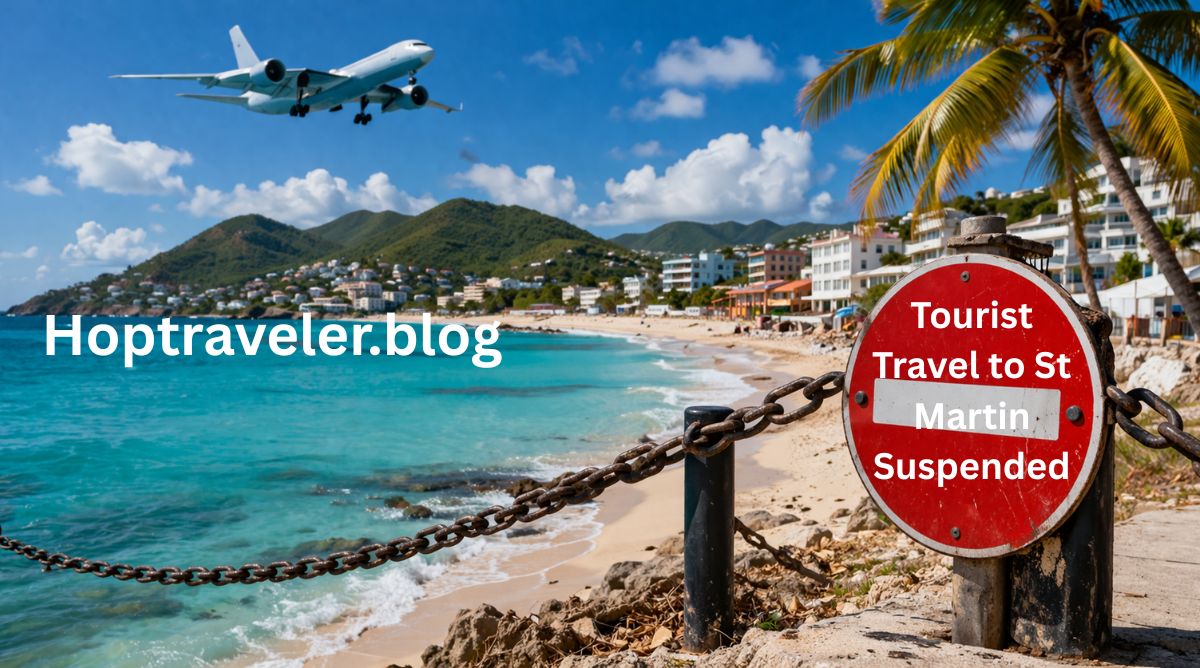
The suspension of tourist travel to St Martin has had a significant impact on the island’s economy, travel industry, and visitor experiences. St Martin, known for its stunning beaches, vibrant culture, and luxury resorts, relies heavily on tourism as a primary source of revenue. When travel is suspended, it affects not only hotels and attractions but also local businesses and the livelihoods of residents. Understanding the reasons for travel suspension, its consequences, and potential alternatives is essential for travelers, industry stakeholders, and policymakers.
Reasons for Suspension of Tourist Travel
Tourist travel to St Martin may be suspended due to several factors, ranging from health emergencies to natural disasters.
Public Health Concerns
Health crises, such as outbreaks of contagious diseases, can prompt authorities to suspend tourism. Ensuring the safety of residents and visitors is a top priority, and travel restrictions help control the spread of illnesses. Health agencies may monitor infection rates, vaccination coverage, and hospital capacities to determine the need for suspension.
Natural Disasters
St Martin is prone to hurricanes and tropical storms, which can cause widespread damage to infrastructure, homes, and tourist facilities. Travel suspensions during or after such events allow authorities to manage recovery efforts and prevent further risks to visitors.
Political or Security Issues
Occasionally, political instability, civil unrest, or security threats may lead to temporary travel restrictions. These measures protect tourists and local populations while authorities work to restore safe conditions.
Environmental Concerns
Environmental events, such as oil spills, flooding, or severe pollution, can impact tourism. Suspensions may be implemented to protect natural habitats, ensure safety, and prevent environmental degradation caused by heavy tourist activity.
Impact on the Local Economy
Tourism is a critical component of St Martin’s economy, and suspensions have far-reaching consequences.
Loss of Revenue
Hotels, restaurants, tour operators, and transportation services face immediate financial losses when tourists are unable to visit. The reduction in visitor spending affects the overall economic health of the island.
Employment Challenges
Many residents rely on tourism-related jobs, including hospitality, entertainment, and retail sectors. Travel suspension can lead to temporary layoffs, reduced working hours, and financial strain for families dependent on these industries.
Business Closures
Small and medium-sized enterprises that cater to tourists are particularly vulnerable. Extended suspensions may result in permanent closures if businesses cannot sustain operations without a steady flow of visitors.
Investment and Development Delays
Suspensions may delay planned tourism projects, infrastructure development, and investment in new facilities. Investors may reconsider or postpone initiatives due to uncertainty about the duration and impact of travel restrictions.
Effects on Travelers
Travel suspensions affect potential visitors in multiple ways, including disruptions to plans, financial implications, and missed experiences.
Canceled or Postponed Trips
Tourists may need to cancel flights, hotel reservations, and tour bookings. This can create logistical challenges and emotional disappointment, especially for those who planned long-awaited vacations.
Financial Considerations
Travelers may incur non-refundable expenses, including airline tickets, accommodation deposits, and pre-booked activities. Insurance coverage and refund policies become critical in mitigating financial losses.
Alternative Destinations
Travel suspensions may encourage travelers to consider other destinations that remain open. Researching safe and accessible alternatives ensures that vacation plans can still proceed, even if the original destination is unavailable.
Travel Safety Awareness
Suspensions highlight the importance of staying informed about health advisories, weather conditions, and government travel recommendations. Travelers benefit from monitoring official sources to make informed decisions.
Response of the Tourism Industry
The tourism industry in St Martin adapts to travel suspensions through strategic planning and support measures.
Communication with Guests
Hotels, resorts, and tour operators maintain communication with guests to provide updates, reschedule bookings, and offer refunds where possible. Clear communication builds trust and ensures customer satisfaction despite disruptions.
Safety and Preparedness
Industry stakeholders implement safety measures, such as enhanced sanitation, emergency response plans, and staff training, to prepare for future reopening. These measures reassure tourists and improve operational readiness.
Promotion of Domestic Tourism
During international travel suspensions, promoting local tourism can help sustain businesses. Encouraging residents to explore attractions and participate in events supports the local economy and maintains engagement with the tourism sector.
Collaboration with Authorities
Tourism authorities, government agencies, and industry associations collaborate to manage the effects of suspensions. Coordinated efforts ensure compliance with regulations, timely recovery, and the safe resumption of tourist activities.
Planning for Future Travel
Travelers and industry stakeholders must consider strategies to adapt to potential suspensions.
Flexible Booking Options
Opting for flexible reservations, refundable tickets, and adaptable travel plans reduces financial risk and allows for changes if restrictions are reinstated.
Travel Insurance
Comprehensive travel insurance that covers cancellations, medical emergencies, and unforeseen events provides financial protection during uncertain periods.
Monitoring Official Updates
Following announcements from local authorities, health agencies, and tourism boards ensures that travelers remain informed about current conditions and regulations.
Diversifying Travel Destinations
Exploring multiple options and having backup destinations prepares travelers for sudden suspensions. This approach minimizes disappointment and enables continued vacation planning.
Conclusion
The suspension of tourist travel to St Martin has widespread implications for the economy, local businesses, and individual travelers. Understanding the reasons for suspension, from health concerns to natural disasters, helps stakeholders adapt effectively.
For the tourism industry, strategic communication, safety measures, and promotion of domestic tourism are essential for sustaining operations during travel disruptions. Travelers benefit from flexible planning, travel insurance, and staying informed about official updates to navigate the challenges of suspended travel.
Although travel suspensions temporarily disrupt access to St Martin’s attractions and experiences, careful preparation and adaptability enable the industry and visitors to manage the situation. Planning responsibly ensures that when tourist travel resumes, the island can continue to offer memorable and safe experiences for all.
Tags: Tourist Travel to St Martin Suspended