
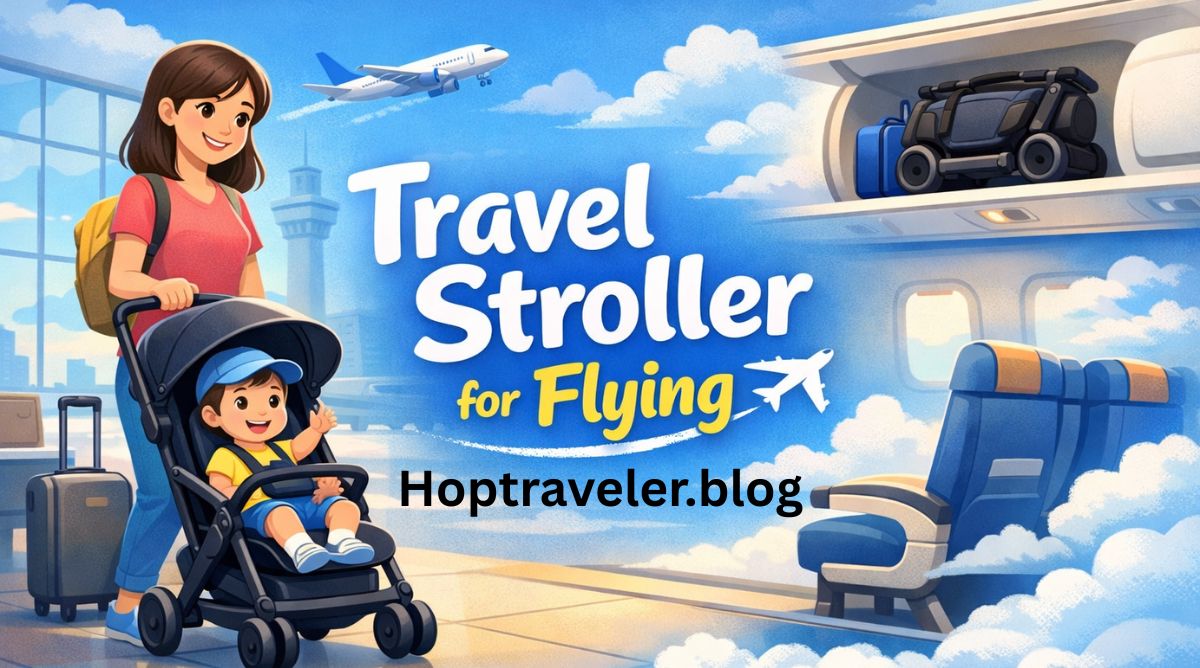
Flying with a child requires careful planning, and having the right travel stroller can make the journey significantly easier. A travel stroller designed for flying balances portability, durability, and comfort, making it an essential item for parents who frequently travel by air. Selecting the best travel stroller involves considering factors such as weight, foldability, airline compatibility, and safety features to ensure both convenience and security during transit.
Importance of a Travel Stroller for Flying
A travel stroller for flying is designed to be compact, lightweight, and easy to maneuver. Unlike regular strollers, these models are specifically engineered for travel, ensuring they can fit in airplane cabins, be gate-checked, or stored in overhead compartments depending on airline regulations.
Travel strollers offer convenience for airport navigation. Long walks between terminals, security checks, and waiting in lines can be challenging while carrying a child. A stroller provides a safe and comfortable seat for your child while freeing your hands to handle luggage, boarding passes, or other travel essentials.
Having a reliable travel stroller reduces stress and fatigue. Parents do not need to worry about carrying the child for extended periods or negotiating crowded spaces. The stroller can also double as a resting place during layovers or extended delays.
Types of Travel Strollers Suitable for Flying
There are several types of travel strollers, each catering to different travel needs:
Umbrella Strollers
Umbrella strollers are lightweight, compact, and fold easily. They are ideal for older infants and toddlers who can sit upright. Their small size makes them convenient for airplane cabins and easy to carry through security checks.
Compact Travel Strollers
These strollers are slightly more robust than umbrella strollers but still designed for travel. They often include additional features such as reclining seats, storage compartments, and adjustable handles while maintaining portability.
Jogging Strollers
For parents who enjoy outdoor activities, jogging strollers are suitable for travel if the child can sit upright and the stroller can fold compactly. These models are designed for durability and shock absorption, which can be useful on uneven airport floors or terminal sidewalks.
Convertible Travel Strollers
Convertible strollers can serve as both a full-sized stroller and a compact travel stroller. They provide flexibility for parents who want a stroller for daily use at home and an easy-to-transport option for flying.
Key Features to Look for in a Travel Stroller
When selecting a travel stroller for flying, several features are essential to ensure convenience, safety, and comfort.
Weight
Lightweight strollers are easier to carry and transport through airports. Parents should choose a stroller that is easy to lift into overhead compartments or gate-check. The ideal weight is typically under 15 pounds, but some compact models may weigh slightly more.
Foldability
A travel stroller should fold quickly and compactly. Many models feature one-hand folding mechanisms, making it easier for parents to manage the stroller while holding a child or luggage. Check whether the stroller folds small enough to meet airline carry-on or gate-check requirements.
Maneuverability
Smooth, swiveling wheels and responsive handles are crucial for navigating crowded terminals and airport sidewalks. Lockable front wheels provide stability on uneven surfaces, while suspension systems help absorb shocks during movement.
Safety Features
Safety is a top priority. A reliable travel stroller should have a secure harness system, usually a five-point harness, to keep the child safely in place. Sturdy brakes and a stable frame are also essential to prevent tipping or accidental movement.
Storage and Accessories
Adequate storage space allows parents to carry essentials such as diapers, snacks, and travel documents. Some travel strollers come with built-in storage baskets, cup holders, and pockets for convenience. Accessories like rain covers, sun shades, and travel bags enhance comfort and protection for the child.
Airline Considerations for Travel Strollers
Airlines have specific policies regarding strollers. Understanding these regulations ensures smooth travel and prevents surprises at the airport.
Gate-Check Policies
Most airlines allow parents to gate-check a stroller, which means it is checked at the aircraft door and returned at the gate upon arrival. Gate-checked strollers should be easy to collapse and carry to the plane door.
Cabin Storage
Some ultra-compact strollers may be allowed in the cabin as carry-on luggage. Confirm the airline’s size and weight restrictions to avoid complications. Overhead bins must accommodate the folded stroller, so check dimensions before traveling.
Checked Luggage
If a stroller is checked with regular luggage, parents should ensure it is protected in a travel bag to prevent damage during handling. Durable travel bags with padding help safeguard the stroller during transit.
Tips for Traveling With a Travel Stroller
Practice Folding and Unfolding
Before the trip, practice folding and unfolding the stroller to become familiar with its mechanism. Efficient use saves time at the airport and reduces stress during boarding.
Protect the Stroller
Use a stroller travel bag or cover to protect it from dirt, damage, and weather conditions. Consider carrying extra straps or ties to secure the stroller during transit.
Prepare for Security Checks
Remove any detachable items such as trays, toys, or storage baskets before security checks. This speeds up the process and ensures compliance with airport regulations.
Arrive Early
Arriving at the airport early allows time to navigate check-in, security, and boarding with a stroller. Early arrival reduces pressure and provides a smoother experience for both parents and children.
Coordinate With Airline Staff
Inform airline staff that you have a stroller for gate-check or cabin use. They can provide guidance on handling and ensure the stroller is properly accommodated.
Recommended Travel Stroller Brands
Several reputable brands specialize in travel strollers for flying, offering a combination of portability, durability, and safety. Popular brands include lightweight models with one-hand folding mechanisms, adjustable harnesses, and compact designs suitable for air travel.
Conclusion
A travel stroller for flying is a vital tool for parents seeking convenience, safety, and comfort while navigating airports and airplanes. Selecting the right stroller involves evaluating weight, foldability, maneuverability, and safety features.
Understanding airline policies and practicing proper preparation ensures a smoother travel experience. From domestic flights to international trips, a well-chosen travel stroller can significantly enhance the ease and enjoyment of traveling with a child.
Investing in a reliable travel stroller allows parents to focus on creating memorable travel experiences while keeping their child comfortable and secure throughout the journey.
Tags: Travel Stroller for Flying